quality
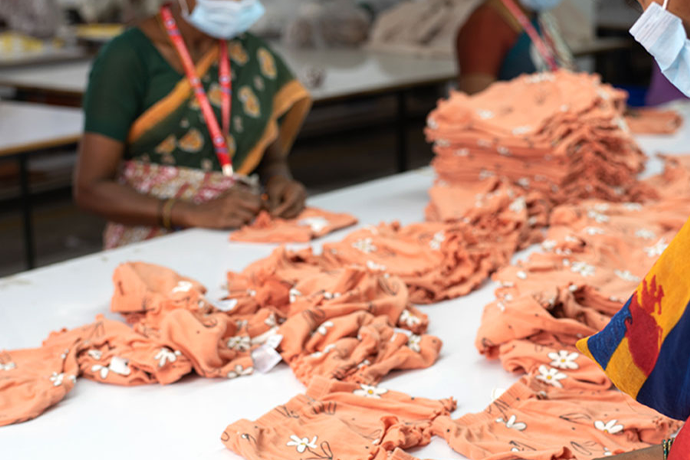

We are well-organized Garment manufacturers & T-shirt manufacturers in India. Quality is controlled at every stage of production by conducting systematic testing and continuous monitoring of results. quality being’s the most sought-after parameter in a product, we take extra efforts to deliver the best. A series of quality control tests are done and our dedicated quality control team ensures that the garments are thoroughly checked before they get finally packed. Complying with international safety standards and regulations, our products are carefully produced and stringently tested till the final stage. Commending our efforts towards quality management, eco-friendly products and social accountability,
Roots Impex believes ‘Quality First’ in each and every action. A top-notch team of professionals consistently examine the intricacies of quality management through online. Right from the procurement of raw materials to the manufacturing of end product, they use latest quality technology system and methods so as to meet the needs of the buyer. We have our own lab facility accredited by various brands to monitor quality at different levels.
Quality Management System
Fabric Inspection ( 4 Point System)
Fabric inspection using the 4-Point System is a systematic approach employed in the textile and apparel industry to rigorously evaluate the quality of fabric rolls. This method involves the careful examination of fabric at four equidistant inspection points labeled A, B, C, and D along the length of the material. At each of these points, defects or imperfections are meticulously categorized into four classes: Critical, Major, Minor, and Negligible. Critical defects are the most severe, rendering the fabric unusable or necessitating significant repairs, while Negligible defects are minor imperfections with minimal impact.


Internal Fabric Washing Test ( Shrinkage , Spirality,Colour Fastness)
he Internal Fabric Washing Test is a vital quality control procedure employed within the textile industry. This test is conducted to assess how fabrics react when subjected to washing, mimicking real-world laundering conditions. Its primary focus lies in evaluating three key aspects: shrinkage, spirality, and color fastness. Shrinkage measurement helps determine how much a fabric contracts during washing, which is critical to maintaining the correct dimensions and fit of garments. Spirality assessment examines whether a fabric maintains its original alignment or twists, which can affect the overall appearance and comfort of products. Lastly, color fastness testing gauges how well a fabric’s color withstands repeated wash cycles, ensuring that colors remain vibrant and consistent.
Pattern Audit, Size Set
A Pattern Audit and Size Set are integral components of the garment manufacturing and quality control process. A Pattern Audit involves a meticulous review of the patterns used in garment production to ensure accuracy and precision. This audit assesses factors such as seam allowances, notches, and grainlines to guarantee that the patterns align perfectly with the intended design. Any discrepancies or errors detected during this audit can be corrected before mass production, saving time and resources.
A Size Set, on the other hand, involves creating sample garments in various sizes to assess the fit, proportions, and overall look of the clothing on different body types. Size sets allow manufacturers to fine-tune patterns and sizing charts to ensure that the final products fit comfortably and flatteringly on a diverse range of customers.

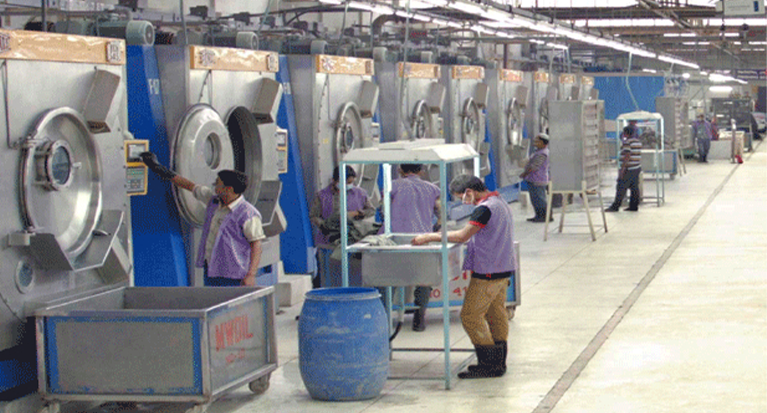
Garments Fabric Washing Test ( Shrinkage , Spirality, Colour Fastness)
The purpose of this test is to evaluate several critical aspects of the garment’s performance, including colorfastness, fabric shrinkage, dimensional stability, and overall durability. During the Garment Washing Test, the garment is subjected to a series of wash and dry cycles, often with variations in temperature and agitation. This process helps identify potential issues such as fading colors, fabric distortion, or changes in the garment’s size and shape. By conducting this test, manufacturers can ensure that their products meet quality standards, that colors remain vibrant and consistent, and that the garment maintains its shape and fit even after repeated laundering. Ultimately, the Garment Washing Test plays a crucial role in delivering products that meet customer expectations for both appearance and durability.
Risk Analysis Meeting(PP Meeting)
A Risk Analysis Meeting in the context of the garment industry refers to a crucial step in the product development and manufacturing process. This meeting brings together key stakeholders, including designers, production managers, quality control experts, and sometimes even suppliers, to assess and mitigate potential risks associated with a specific garment or apparel production project. During the Risk Analysis Meeting, participants systematically evaluate various aspects that could impact the success of the project. These aspects may include design complexity, fabric selection, production techniques, cost estimates, quality standards, and delivery timelines. By identifying potential risks early on, the team can develop strategies and contingency plans to address challenges that may arise during the garment’s development and manufacturing stages. The objective of the Risk Analysis Meeting is to proactively anticipate and minimize risks, ensuring that the final garment meets quality standards, adheres to budget constraints, and is delivered on time.

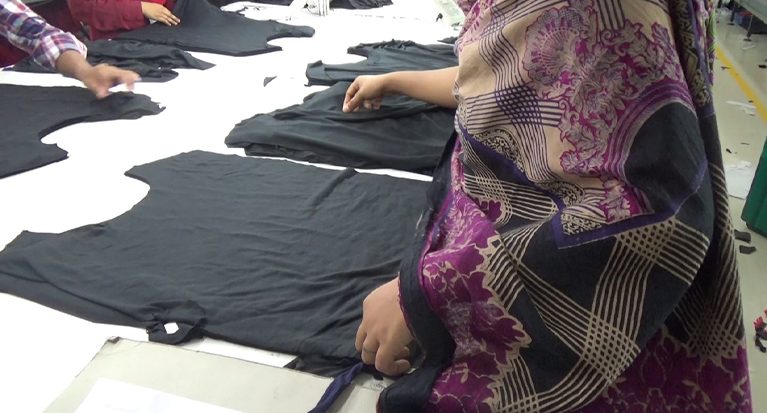
Cutting Lay Audit ( Based On Lay Slip)
A Cutting Lay Audit is a critical quality control procedure conducted in the garment and textile industry, specifically during the cutting stage of production. This audit involves a comprehensive examination of the fabric lay, which is the stack of fabric layers that are laid out and prepared for cutting into individual garment pieces. During a Cutting Lay Audit, trained inspectors meticulously review several key factors. These include the alignment of fabric layers to ensure they match the pattern precisely, the accuracy of the marker (the template used for cutting), and the consistency of fabric tension across the entire lay. The goal is to confirm that the lay meets the approved specifications, such as size, shape, and alignment, as any deviations can lead to defects in the final product.
Pilot Run Audit
A Pilot Run Audit is a crucial phase in the production process of garments and other manufactured goods. It involves conducting a trial or pilot run of the production line before full-scale manufacturing commences. During this audit, a limited quantity of garments is produced under conditions that mimic the actual manufacturing process to assess various aspects of production, quality, and efficiency. The audit evaluates the efficiency and effectiveness of the manufacturing process, including the workflow, machinery, and production techniques. Any bottlenecks, errors, or inefficiencies are identified and addressed to streamline production. Garments produced during the pilot run are subject to rigorous quality control checks to ensure they meet the desired standards. This includes assessing stitching quality, fabric alignment, and overall garment finish. The audit examines the consumption of materials, labor, and other resources during the pilot run to estimate the cost-effectiveness of the production process.

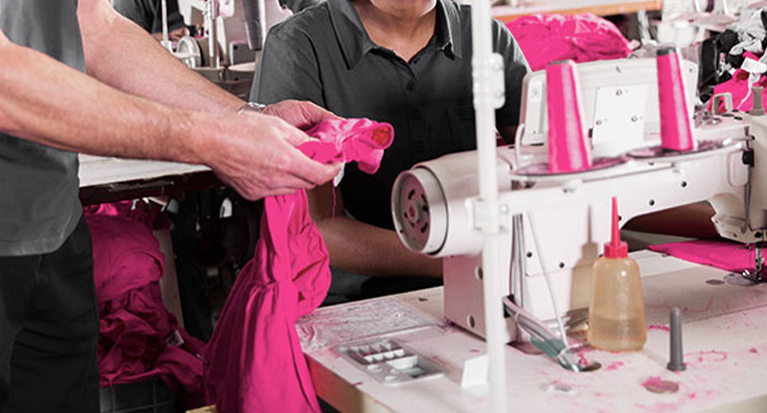
Inline Audit ( Per Day 2 Audit) Mid Line & End Line Audit
Conducting regular quality audits at various stages of garment production is a cornerstone of ensuring high-quality apparel and customer satisfaction. This systematic approach involves comprehensive checks and evaluations throughout the production process to identify and address issues promptly. Here’s an expanded explanation of why regular quality audits are crucial in the garment industry and how they benefit the production of clothing. Regular quality audits allow garment manufacturers to identify potential issues and deviations from established quality standards at an early stage of production. This early detection is vital for addressing problems promptly and preventing defects from proliferating downstream in the manufacturing process.
Packing Audit & Carton Audit
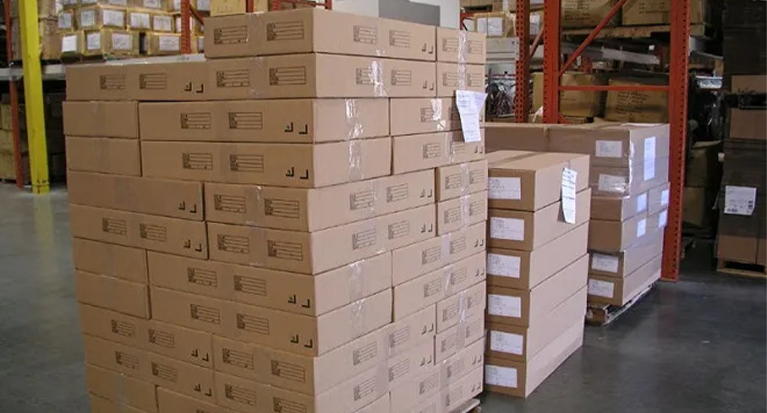
Conducting a carton audit in the garments industry is a strategic approach that yields several significant benefits for companies involved in apparel manufacturing and distribution. This audit process involves a thorough examination of the packaging used to protect and transport garments. Here’s an expanded explanation of how carton audits can enhance packaging processes, reduce damages during transit, and ultimately lead to improved customer satisfaction. Carton audits provide a comprehensive evaluation of the packaging materials, design, and practices used in the garment industry. By scrutinizing these aspects, companies can identify opportunities for improvement. This may include optimizing the choice of carton size, selecting appropriate cushioning materials, and ensuring secure closure methods. Enhanced packaging processes result in more reliable protection for garments. One of the primary objectives of carton audits is to minimize damages during transit.
offering Buyers